
In changing consumer markets, handcrafted goods still serve a useful function in their authenticity and cultural depth. The increasing demand for artisanal quality has fueled the growth of handicraft products in Vietnam, where skilled craftsmanship and traditional techniques combine to produce unique items that resonate with both domestic and international consumers.
These aren’t just decorative items — they embody generations of techniques learned and passed down through the communities. Artists show outstanding attention to detail, from highly woven textiles to hand-carved wooden décor and lacquer. Traditional handicraft items in Vietnam have seen an increase in popularity, signaling a larger trend towards valuing original goods over mass-produced options. Buyers want products that can tell a story, and handcrafted goods are ideal for telling such a tale.
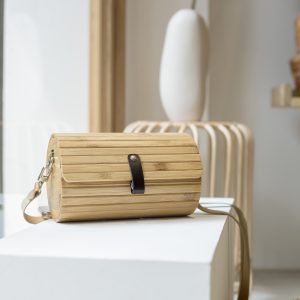
Diversity is one of the defining strengths of this sector. Craftsmen use a variety of natural materials, including bamboo, rattan, ceramics, and silk. With the range of materials available, including wood, metal, polyester, and terracotta, each presents its own aesthetic style and functional draw for businesses and consumers alike. Thus, handicraft products in Vietnam have been versatile to meet the need of house decoration, fashion accessories, and gifting for corporate.
Sustainability, too, has been a key player in the surge of handcrafted goods. As a result of greater awareness around environmental sustainability, many consumers now seek out ‘green’ alternatives and options that reduce dependence on industrial manufacturers. Many handmade items are made from renewable supplies and produced with low-energy methods, thus they really appeal to the conscious buyer. This also placed the eco-friendly handicraft solutions segment in Vietnam among the companies competing strongly on both domestic and international markets.
Another dynamic fueling growth is the marriage of tradition and modern design. As artisans preserve cultural techniques, they are also evolving to contemporary palates. Minimalist patterns, functional designs, and innovative color combinations are allowing hand-crafted products to resonate with younger consumers. This conjoining makes handicraft products in Vietnam consistent and relevant in the current tumultuous, fast-changing design context.
By including handcrafted products in their portfolios, businesses can make a name for themselves. These products provide an air of authenticity and uniqueness, whether it is in retail collections or other promotional strategy. It is most likely that consumers relate to the brands that promote craftsmanship and ethically sourced goods, adding value to artisanal products as a brand positioning.
Quality control and consistency, but are still more priorities. Though handmade products are inherently inconsistent, consistent quality leads to happy customers and repeat business. Working alongside skilled artisans and trusted suppliers can help to marry those old world techniques with contemporary desires.
With world markets gravitating towards authenticity and sustainability, the future of handmade is only set to expand. Ultimately, the fusion of craftsmanship and creativity helps to sustain local cultures, enrich people’s lives, and build a better world — one product at a time.
Morris Townsend is the author of this article. For more details Tech gift supplier in Vietnam, Please visit our website: corp-giftvn.com.